Read Part 1 of our special probe into new business story….
- Isle of Man economy: risk over single obscure legal battle
- £90m legal bombshell: Lord Street court fight leaves taxpayers facing a huge bill
- Money laundering watchlist fears: rows over governance and record-keeping risk reputational damage
- Business community speaks out: One entrepreneur asked: ‘Why hasn’t £90 million case settled?’
- The new ferry terminal? Critics warn the dispute could follow Liverpool’s cost spiral from ‘£25m’ to £100m+
- Ministers won’t name a final ferry figure: ‘legal sensitivity’ cited — opponents say that’s how totals balloon
- MONEYVAL looming: watchdog assessment due October 2026, with the case now part of the wider risk narrative
- Expert Dr. Nicholas Ryder: MONEYVAL grey listing is bad for business

By Catriona Harrison
Byline Investigates
A £90 million court case is threatening to plunge a British Crown Dependency onto money laundering watchlist, Byline Investigates can reveal.
The Isle of Man Government is being sued for alleged corruption and, if it loses, the territory’s taxpayers are on the hook for the enormous bill.
The case started out over seven years ago after a property developer complained that two official departments had deliberately mishandled their bid to redevelop a bus station into a state-of-the-art shopping mall.

Along the way, the judge has even complained that the case was ‘simple’ and should have been resolved earlier.
Deemster Andrew Corlett remarked that previous estimated fees to search for the alleged missing documents caused him to ‘nearly fall off his chair’ and that such a cost to taxpayers was ‘unacceptable’.

A businessman on the island told our reporters: ‘We are worried here. It’s the £90m question: will Lord Street become another ‘£25m to £100m’ saga, just like the ferry terminal.’
Critics say the warning signs are already familiar — because the Island has just lived through a very public lesson in how a project with a manageable headline figure can mutate into something far larger: the Liverpool ferry terminal.
In the House of Keys last week, an MHK said the Liverpool terminal has already cost taxpayers ‘somewhat north of £100 million’, far beyond the original £38m budget — but the Infrastructure Minister declined to confirm the total, citing ongoing legal proceedings.
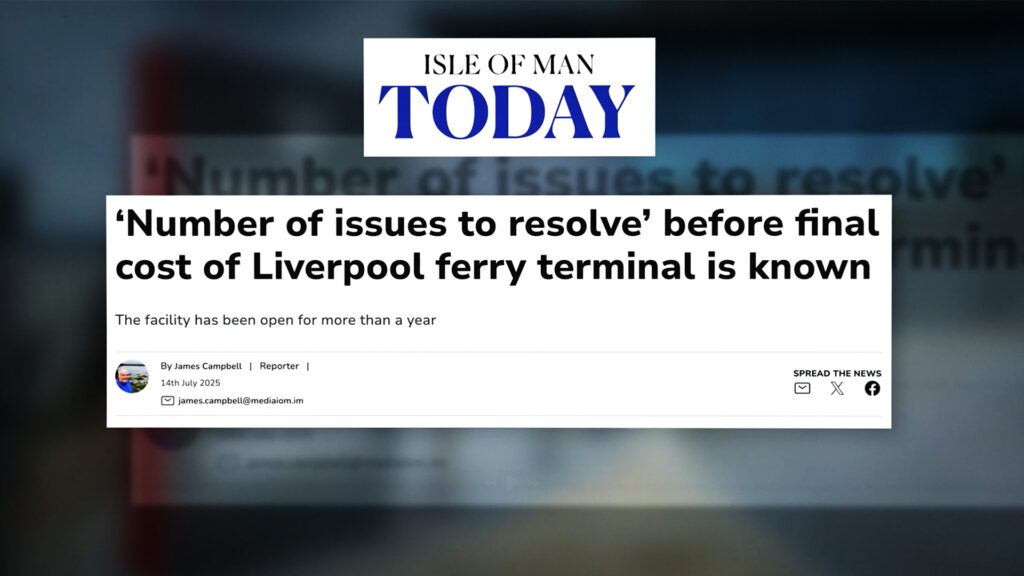
The drift did not start at £100m.
When the scheme was first proposed in 2015, the replacement facility was being discussed at around £18m; after Government became directly involved, the Department of Infrastructure said in 2016 it would cost an estimated £25m to design and construct.
Even ministers have acknowledged, in the ferry terminal context, that drawn-out negotiations can end up benefiting legal teams more than taxpayers — language opponents now apply, almost word-for-word, to the Lord Street litigation grind.
The businessman added: ‘I’d like certainty. A final figure for the ferry terminal. I’d like to see the Lord Street case settled. Then…move on.’

Byline Investigates found the anxiety is not just about whether Lord Street lands at £90m in damages.
The real concern is whether a long-running legal dispute, unresolved disclosure rows and extended timetabling starts to look structurally like the ferry terminal saga part two.
A comment on social media described a ‘moving target where the public only learns the true scale when it is effectively too late to change course.’
Now Europe’s financial crime watchdogs, MONEYVAL, are posed to examine the cause of the dispute.
Systematic failures in governance, record-keeping and procurement could trigger a grey listing evaluation.
This case has become controversial for campaigners of Taxpayers Alliance as campaigner Michael Josem says; “Yet again, it’s going to be the Manx taxpayer who’s going to have to fork out the money if this goes even more pear shaped than it already is.”

Dr. Nicholas Ryder, a financial crime advisor and researcher, says about a potential grey listing evaluation; “For residents and businesses, the effects can be hard to quantify but may include more expensive or slower banking services as institutions tighten compliance and due diligence.
“As well as potential impacts on pensions and investments if international funds reduce exposure to the Isle of Man because of perceived risk, it could lower returns or limit access to global markets.”
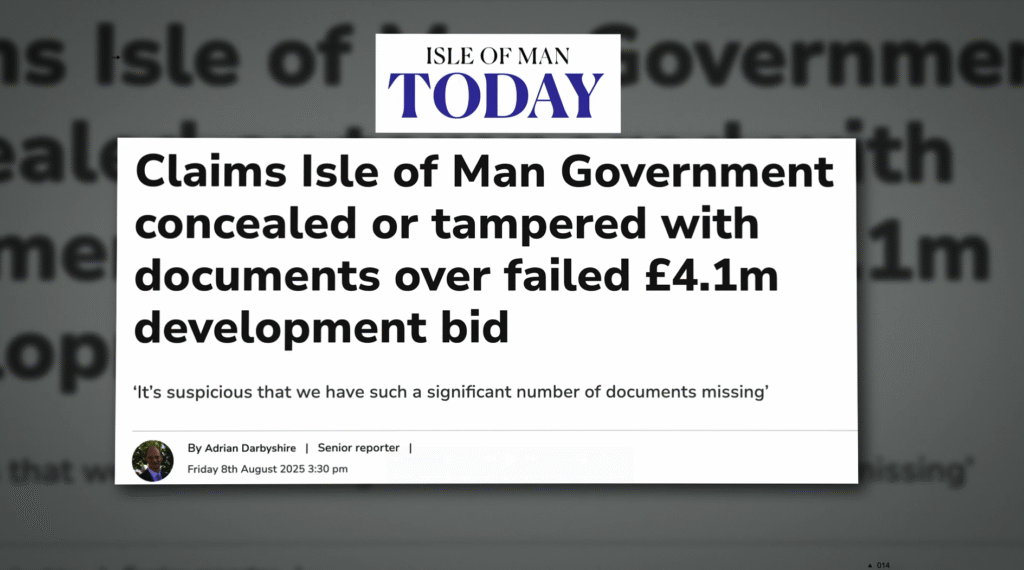
The £90 million case remains unresolved as the upcoming MONEYVAL evaluation, scheduled for October 2026, will see the island face independent assessment of their counter money laundering effectiveness.
MONEYVAL assesses countries on an ongoing cycle to test compliance and provide recommendations to improve money laundering defences.
The watchdog will access the “exact concerns that are being tested in long-running redevelopment case”, says Expose News.
This grey listing evaluation could affect the Isle’s reputation, economy and could potentially see taxpayers liable for £90 million depending on the court’s findings.
Watch out for Part 2 of Byline Investigates’ probe into the £90 million Lord Street case soon.