Read Part 2 of Byline Investigates special probe into the Isle of Man….
- Infrastructure rows fuel ‘reputation risk’ fears ahead of Budget and MONEYVAL
- New comms boss sought: Government advertises for a director of crisis communications and reputation management
- Two big flashpoints: the £90m Lord Street litigation and the unresolved Liverpool ferry terminal final cost
- Missing minutes and disputed emails: disclosure rows keep the Lord Street case in the headlines
- ‘North of £100m’ claim: ministers still won’t confirm the terminal’s final total while legal issues continue
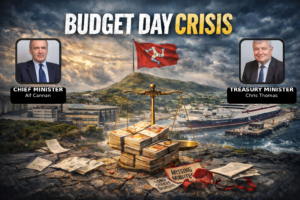
- Budget backdrop: new Treasury Minister Chris Thomas delivers his first Budget after a Cabinet shake-up
- Trust gap: critics say the Island is paying twice – once in cash, again in credibility
The Isle of Man Government is recruiting a senior PR figure to set up and run a new communications service – explicitly tasked with crisis communications and reputation management – as two of the Island’s most contentious sagas continue to generate political heat: the Lord Street redevelopment dispute and the Liverpool ferry terminal cost row.
Byline Investigates has learned that the matter is now referred to as the dreaded ‘Double L’ issue in media and political circles on the Island, as fears grow that the optics are worsening because the government seems unable to get to grips with them.
The Cabinet Office advert describes a 12-month contract to establish the service and lead engagement with the public, stakeholders and the media.
It is a full-time post with relocation support – a sign ministers want more control of the narrative as confidence frays, according to one observer.
The IoM government has not linked the hire to any single controversy, but the backdrop is clear: Lord Street is a live and expensive legal dispute; the Liverpool terminal still lacks a settled final account; and the Budget arrives after a Cabinet reshuffle billed as a reset for the economy.
One Douglas-based businessman told our reporter: ‘They are being talked about as the ‘Double L’ problem.
‘They are the two biggest headaches in the government’s in tray.
‘The £100 million Liverpool ferry terminal, and the £90 million Lord Street case are quickly becoming the defining issues of Alf Cannan’s administration.
‘But I think it’s going to take more than good PR to solve either.’
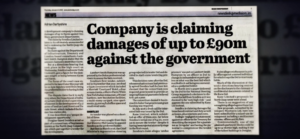
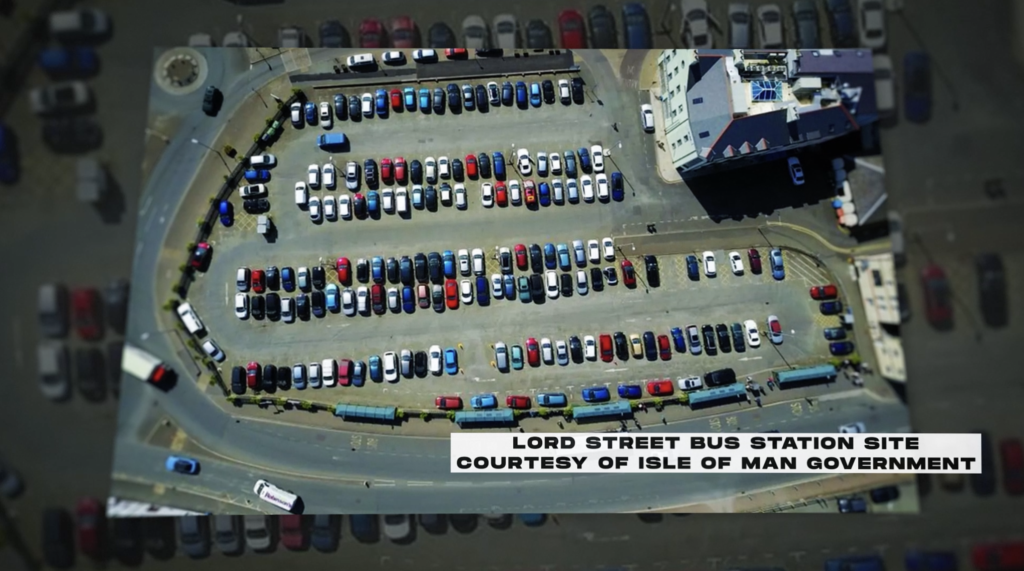
The £90 million Lord Street case centres on a long-running claim brought by developer Sondica Group Inc after the failed redevelopment of the Douglas site.
Damages are being sought for alleged unlawful conduct and misfeasance in public office.
The defendants include the Department of Infrastructure and Treasury, alongside consultants Lambert Smith Hampton involved in the tender process.
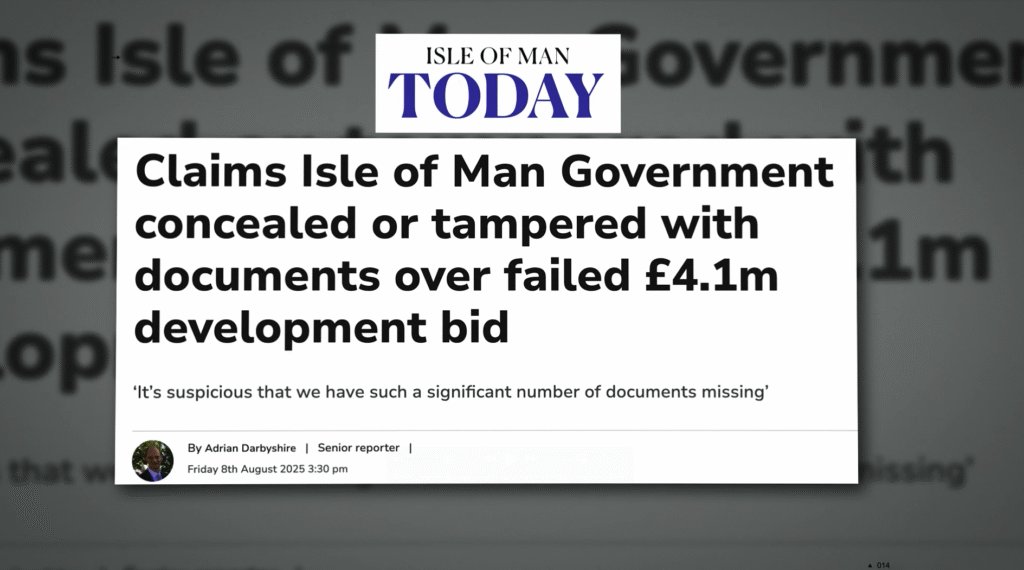
In recent hearings, the fight has been dominated by disclosure: what documents exist, what has been produced, and what cannot now be found.
The court has been told that minutes from meetings in 2016 and 2017 could not be located, despite the dispute being in contemplation for years.
The litigation has also featured allegations about differing versions of emails.
Government has denied wrongdoing and said technical issues can explain discrepancies between versions produced by different parties.
Whatever the outcome, the longer the case runs, the more it becomes a rolling story about record-keeping, governance and control.

In the first part of our series, Byline Investigates asked whether Lord Street is becoming the Isle of Man’s new Liverpool ferry terminal scandal, the next budget-buster as MONEYVAL looms.
Both projects have followed a similar budget trajectory, ballooning from £25 to £100 + million over a decade.
If Lord Street is the legal flashpoint, the Liverpool ferry terminal is the fiscal one.

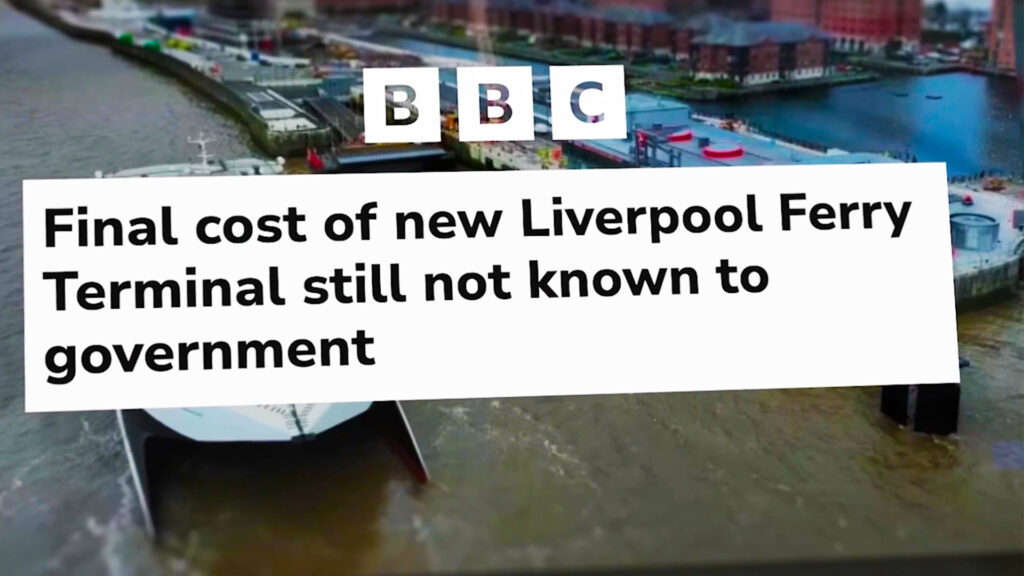
The terminal opened to passengers in June 2024, but the final cost – and what can be recovered – remains unresolved. An MHK has claimed the total is already somewhat north of £100m, far above the original £38m budget.
Ministers have declined to confirm a definitive figure, saying legal advice prevents publication while negotiations continue. They have confirmed approved funding has been exhausted and any extra cost will require a supplementary vote – the kind of open-ended position critics say turns forecasts into eye-watering totals.
For a communications director, that is the challenge: not just a bad headline, but two sagas where the public question is simple – how much is left to pay, and why can’t government say?
Our source continued: ‘Of course, messaging cannot substitute for credible numbers.
‘Certainly, what the Island’s business community wants is certainty: coherent documentation and visible accountability.
‘The £90 million question is: why hasn’t the new Treasury Minister settled the Lord Street case and got it off his desk before MONEYVAL?’
One answer is that Chris Thomas is busy: all of this lands on Budget day, just weeks after he hit the ground running.
The new Treasury Minister is delivering his first Budget after a shake-up ordered by Chief Minister Alfred Cannan.
Cannan removed the previous Treasury Minister, Dr Alex Allinson, arguing they had diverged on policy and that business confidence had been damaged.
In the run-up to the Budget, ministers have sought to calm employers by stepping back from proposals that triggered backlash, while also pledging significantly higher personal income tax allowances – popular with households, but costly for the Exchequer. Ministers have also warned that persistent overspends, particularly in health, are destabilising public finances and raising questions about the sustainability of reserves.
That is why critics say the communications recruitment reads like an admission that reputation is now a core governance issue. They argue the Island needs faster answers, cleaner paper trails and firmer cost control, because crisis PR cannot erase missing records, disputed timelines or an open-ended final bill.